

Introduction
Noise pollution is no longer limited to busy roads or industrial plants. Modern manufacturing facilities, commercial buildings, transport systems, and even household equipment require effective sound management to improve comfort, productivity, and equipment performance. Instead of relying on traditional insulation alone, many industries now use acoustic barriers as an advanced solution for controlling airborne sound and structural vibration.
Designed to deliver excellent transmission loss while remaining flexible enough for complex installations, today’s Barrier products provide dependable performance across a wide variety of applications. From automotive manufacturing to heavy machinery and construction equipment, these materials help engineers solve challenging acoustic problems without compromising design flexibility.
This article explores how acoustic barriers work, where they are used, and why they have become an essential component in modern acoustic engineering.
Why Acoustic Barriers Are Essential in Today’s Industries
Every machine, enclosure, metal panel, or mechanical system creates some level of unwanted sound. While some materials absorb noise, many simply allow sound waves to pass through them.
This is where acoustic barriers make the difference.
Rather than absorbing sound alone, they are specifically engineered to increase the sound insulation of lightweight structures by blocking sound transmission. They also reduce vibration, making them an effective dual-purpose solution for industries where both airborne noise and impact sound are concerns.
Their flexible construction means they can be installed on flat panels as well as slightly curved or uneven surfaces without losing performance.
What Makes Barrier Products Different?
Unlike standard insulation materials, Barrier products combine density with flexibility.
This unique combination allows them to:
- Restrict airborne sound transfer
- Reduce transmission loss
- Minimise vibration
- Improve panel performance
- Enhance overall acoustic efficiency
These products are available in multiple manufacturing formats, allowing businesses to select solutions that fit both simple and highly engineered applications.
Manufactured Around Your Project Requirements
Every installation presents different challenges. For that reason, acoustic barriers are produced in several custom formats to suit precise specifications.
Sheet Materials
Large acoustic sheets provide efficient coverage for machinery, wall systems, equipment housings, and industrial enclosures.
Precision Die Cutting
Die-cut components simplify installation while ensuring consistent quality and dimensional accuracy.
Water Jet Cutting
Water jet technology allows complex profiles to be produced with clean edges and minimal material waste.
Flexible Surface Application
Because the material remains highly flexible, it can easily conform to curved metal panels, irregular machinery surfaces, and shaped components where rigid insulation would struggle.
Engineered Acoustic Barrier Materials
Different industries demand different acoustic solutions. Several specialist Barrier products are available depending on performance requirements.
Polymeric Acoustic Barriers
Polymeric acoustic barriers are manufactured using low-density vinyl membranes enhanced with naturally occurring mineral fillers.
These materials are specifically developed to improve the acoustic performance of:
- Metal panels
- Plastic components
- Wooden structures
- Composite materials
Unlike some older materials, these barriers are free from lead, bitumen contamination, and unrefined aromatic oils.
One of their greatest strengths is reducing resonance problems commonly experienced in lightweight construction materials such as plywood and hollow-core panels.
PE Foil Covered Acoustic Barriers
Some installations require both acoustic insulation and clean surface protection.
PE foil covered acoustic barriers include:
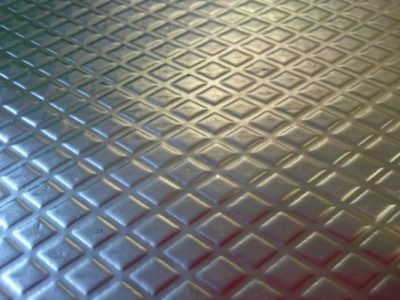
- Diamond embossed PE facing
- Self-adhesive backing
- Dense sound-insulating core
The polyethylene surface prevents oil migration from the barrier material while creating a cleaner finish during installation.
Its adhesive backing also makes it suitable for creating laminated acoustic composites with other insulation materials.
Aluminium Acoustic Barrier Systems
High-temperature environments require additional protection.
Aluminium-faced Barrier products combine dense acoustic materials with a protective aluminium foil surface capable of reflecting thermal radiation.
These barriers perform exceptionally well in:
- Vehicle engine compartments
- Construction equipment
- Agricultural machinery
- Marine engines
- Industrial mechanical systems
Their ability to reduce vibration while resisting heat makes them one of the most versatile acoustic solutions available.
Better Together: Acoustic Barriers and Acoustic Foam
One material rarely solves every acoustic challenge.
That is why many projects combine acoustic barriers with acoustic foam.
Each performs a separate task:
- Acoustic foam reduces reflected sound.
- Barrier products block sound transmission.
- Together they improve overall acoustic performance.
This bespoke laminate approach allows engineers to address both noise absorption and transmission loss in a single installation.
Where Acoustic Barriers Deliver Outstanding Results
The adaptability of Barrier products allows them to perform across numerous industries.
Automotive Manufacturing
Vehicle cabins demand lower noise levels without adding unnecessary weight. Acoustic barriers help reduce engine vibration, road noise, and structural resonance for a quieter driving experience.
Household Appliances
Modern consumers expect quieter products. Washing machines, dishwashers, refrigerators, and other white goods benefit from improved sound insulation using acoustic barrier technology.
Lift Systems
Mechanical movement inside lift shafts generates vibration and operational noise.
Installing acoustic barriers within lift cabins and surrounding structures improves passenger comfort while reducing mechanical sound transmission.
Steel Furniture
Metal cabinets, lockers, and storage systems often amplify vibration.
Flexible Barrier products help minimise rattling and resonance, creating quieter commercial environments.
Steel Baths and Kitchen Sinks
Impact noise from running water and dropped utensils can be significantly reduced by applying acoustic barriers beneath steel surfaces.
Agricultural Equipment
Tractors and farming machinery operate continuously under demanding conditions.
Acoustic barriers reduce engine noise while providing vibration damping across large machinery panels.
Construction Vehicles
Excavators, loaders, and heavy-duty equipment generate considerable mechanical noise.
Barrier products improve operator comfort while helping reduce environmental noise emissions.
Pipe Insulation
Water flow and mechanical systems frequently transfer unwanted sound through pipe networks.
Acoustic barriers reduce vibration while improving insulation around pipework in commercial and industrial installations.
Custom Manufacturing for Complex Applications
Every acoustic project has unique performance goals.
Manufacturers can produce Barrier products according to customer specifications using advanced processing techniques including CNC machining, precision cutting, and water jet fabrication.
This level of customization ensures the finished product integrates perfectly into existing equipment while maintaining consistent acoustic performance.
Advantages of Using Acoustic Barriers
Selecting high-quality acoustic barriers provides long-term performance benefits that extend beyond simple sound reduction.
Enhanced Sound Insulation
Reduces airborne noise travelling through lightweight materials.
Vibration Control
Helps minimise impact sound and structural resonance.
Flexible Installation
Suitable for flat, curved, and irregular surfaces.
Heat Resistance
Certain aluminium-faced products reflect thermal radiation for demanding environments.
Clean Installation
PE-covered barriers prevent oil migration while improving surface cleanliness.
Lightweight Performance
Improves acoustic performance without excessive structural weight.
Bespoke Manufacturing
Available in sheets, die-cut components, and precision water jet formats.
Multi-Industry Compatibility
Ideal for automotive, marine, construction, industrial, appliance, and engineering sectors.
Choosing the Right Barrier Products
Not every application requires the same acoustic solution.
The ideal Barrier products should be selected according to several factors:
- Type of noise being controlled
- Operating temperature
- Surface material
- Installation environment
- Required flexibility
- Desired vibration reduction
Choosing the correct barrier ensures maximum acoustic efficiency while improving durability and long-term performance.
Conclusion
Modern engineering demands smarter approaches to noise control, and acoustic barriers have become one of the most effective solutions available. Their ability to block airborne sound, reduce vibration, improve transmission loss, and adapt to complex surfaces makes them indispensable across today’s industrial and commercial sectors.
Whether integrated into vehicles, machinery, household appliances, lift systems, pipe insulation, or heavy equipment, advanced Barrier products deliver reliable acoustic performance while offering exceptional manufacturing flexibility. When combined with acoustic foam or customised to exact specifications, they provide complete noise management solutions that support quieter, safer, and more productive environments for years to come.