
Introduction
Converting XPS to PDF is a common task for students, professionals, business owners, and everyday computer users. While XPS files were introduced by Microsoft as an alternative document format, PDF has become the global standard for sharing and storing documents. As a result, many users need to convert XPS files into PDF format for easier access, compatibility, and sharing.
Whether you received an XPS document through email, downloaded one from a website, or created it from a Windows application, converting it to PDF can help ensure that anyone can open and view the file without compatibility issues. PDF files are supported on almost every device, operating system, and web browser, making them much more practical for daily use.
The process of converting XPS to PDF has become easier than ever thanks to various online tools, desktop applications, and built-in Windows features. Even beginners with no technical knowledge can successfully complete the conversion in just a few minutes.
In this comprehensive guide, you will learn everything about converting XPS to PDF, including what it means, why it is important, step-by-step conversion methods, advantages, disadvantages, common mistakes, expert tips, and answers to frequently asked questions.
What Is Convert XPS to PDF?
XPS stands for XML Paper Specification, a document format developed by Microsoft. It was designed to preserve document formatting and layout, similar to how PDF works. XPS files usually have the .xps extension and can contain text, images, graphics, and formatting information.
Converting XPS to PDF means changing an XPS document into a Portable Document Format (PDF) file without affecting the document’s appearance. The goal is to maintain the original content while making the file more accessible and compatible across different platforms and devices.
PDF is widely accepted around the world because it preserves document formatting and can be opened using numerous applications. As a result, many users prefer converting XPS files into PDF for easier sharing, printing, archiving, and collaboration.
Why Is Convert XPS to PDF Important?
PDF has become the preferred document format for businesses, schools, government organizations, and individuals. While XPS files can serve similar purposes, they are not as universally supported as PDFs. Converting XPS files to PDF ensures better compatibility and accessibility.
Many users encounter difficulties when trying to open XPS files on non-Windows devices. PDF eliminates this issue because it works seamlessly on Windows, macOS, Linux, Android, and iOS. This makes PDF a more reliable choice for long-term document storage and sharing.
Another reason conversion is important is professional communication. Employers, clients, and institutions typically request PDF documents because they are easier to review and print. Converting XPS to PDF helps ensure your documents are accepted and displayed correctly.
Detailed Step-by-Step Guide
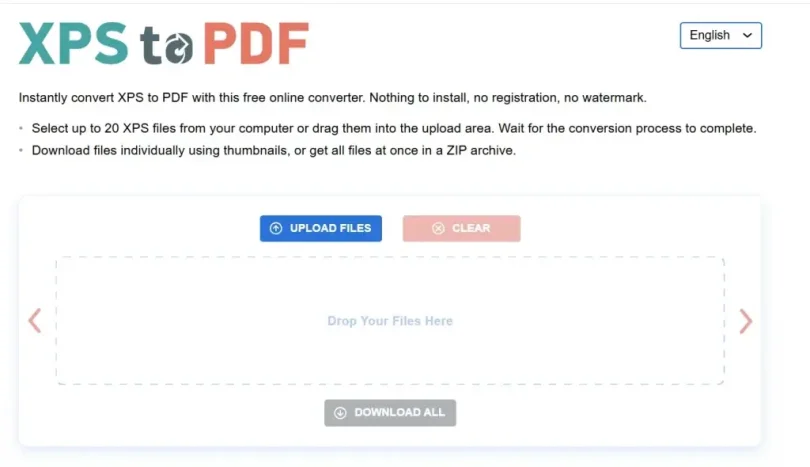
Method 1: Convert XPS to PDF Using Online Tools
Online converters are among the fastest ways to convert XPS files into PDF format.
Step 1: Choose a Reliable Online Converter
Select a trusted online conversion website that supports XPS to PDF conversion.
Step 2: Upload the XPS File
Click the upload button and select your XPS file from your computer or device.
Step 3: Start the Conversion
Press the convert button and wait for the website to process your file.
Step 4: Download the PDF
Once conversion is complete, download the PDF file to your device.
Step 5: Verify the Output
Open the PDF and ensure that text, images, and formatting appear correctly.
Method 2: Convert XPS to PDF Using Microsoft Print to PDF
Windows includes a built-in feature called Microsoft Print to PDF.
Step 1: Open the XPS File
Double-click the XPS file to open it in the XPS Viewer application.
Step 2: Select Print
Press Ctrl + P or choose the Print option from the menu.
Step 3: Choose Microsoft Print to PDF
From the list of printers, select Microsoft Print to PDF.
Step 4: Save the PDF
Click Print and choose a location to save the new PDF file.
Step 5: Open the PDF
Verify that the converted file matches the original document.
Method 3: Convert XPS to PDF Using Desktop Software
Professional PDF software often includes conversion features.
Step 1: Install PDF Software
Download and install a reputable PDF application.
Step 2: Import the XPS File
Open the software and select the XPS file.
Step 3: Select PDF Output
Choose PDF as the desired export format.
Step 4: Configure Settings
Adjust quality, compression, and security settings if needed.
Step 5: Export the File
Complete the conversion and save the PDF.
Method 4: Convert Multiple XPS Files in Bulk
If you have many files to convert, batch processing can save time.
Step 1: Select Batch Conversion
Choose software that supports multiple file conversions.
Step 2: Add XPS Files
Upload or import all files at once.
Step 3: Set Output Format
Choose PDF as the target format.
Step 4: Start Conversion
Run the conversion process.
Step 5: Review Results
Check all converted PDF files for accuracy.
Benefits of Convert XPS to PDF
- Universal compatibility across devices and operating systems
- Easier document sharing through email and cloud storage
- Better support from software applications
- Professional appearance for business documents
- Improved accessibility for recipients
- Long-term document preservation
- Reliable printing results
- Easy integration with document management systems
- Enhanced security options in PDF files
- Support for digital signatures and encryption
- Reduced compatibility issues
- Convenient archiving and storage
Disadvantages / Risks
- Some online converters may have file size limitations
- Sensitive documents may face privacy risks on unsecured websites
- Formatting issues can occur with low-quality conversion tools
- Large files may take longer to convert
- Internet connection is required for online conversion services
- Certain advanced XPS features may not transfer perfectly
- Free tools may include restrictions or advertisements
- Batch conversion features may require paid software
Common Mistakes to Avoid
One common mistake is using unreliable conversion tools. Low-quality converters can damage formatting, reduce image quality, or even corrupt files. Always choose trusted solutions for important documents.
Another mistake is ignoring file security. Users often upload confidential documents to unknown websites without checking privacy policies. This can create unnecessary security risks.
Many beginners also fail to verify the converted PDF after conversion. Always review the final file to ensure all pages, images, and text appear correctly. Catching errors early can prevent problems later.
Using outdated software can also cause conversion failures. Keeping your operating system and conversion tools updated helps ensure better performance and compatibility.
Finally, avoid deleting the original XPS file immediately after conversion. Keep a backup copy until you have confirmed that the PDF version is accurate and complete.
FAQs
1. What is an XPS file?
An XPS file is a document format developed by Microsoft that preserves page layout, fonts, images, and formatting. It functions similarly to PDF but has less widespread support.
2. Why should I convert XPS to PDF?
PDF files are more universally accepted and compatible with various devices, operating systems, and applications. Converting XPS to PDF improves accessibility and sharing.
3. Can I convert XPS to PDF for free?
Yes. Many online converters and built-in Windows features allow free XPS to PDF conversion without additional software.
4. Will the formatting change after conversion?
In most cases, formatting remains unchanged. However, poor-quality conversion tools may occasionally cause layout issues.
5. Is it safe to use online XPS to PDF converters?
It can be safe if you use trusted services. Avoid uploading highly sensitive documents to unknown websites and always review privacy policies.
6. Can I convert multiple XPS files at once?
Yes. Many desktop applications support batch conversion, allowing you to convert multiple XPS files into PDF simultaneously.
7. Do I need special software to convert XPS to PDF?
Not necessarily. Windows users can often use Microsoft Print to PDF, while online converters provide an easy alternative.
8. Can I convert XPS files on mobile devices?
Yes. Many online conversion tools work directly through mobile browsers, making conversion possible on smartphones and tablets.
Expert Tips & Bonus Points
Always keep an original copy of your XPS file before converting. This ensures you can recover the document if any issues occur during the conversion process.
Use desktop software for highly important documents because it typically offers better security and more accurate formatting preservation than many online tools.
For large-scale projects, consider batch conversion features to save time and improve workflow efficiency.
Check the PDF after conversion by reviewing every page, especially if the document contains images, tables, charts, or special fonts.
Compress large PDF files after conversion if you plan to share them via email. Smaller files upload and download more quickly.
When working with confidential information, choose offline conversion methods whenever possible to reduce privacy concerns.
Organize converted files in clearly labeled folders to make future document retrieval easier and more efficient.
Conclusion
Converting XPS to PDF is an essential skill for anyone who works with digital documents. While XPS files can effectively preserve formatting, PDF remains the preferred format for sharing, storing, printing, and accessing documents across different devices and platforms. Because PDF is widely supported, converting XPS files ensures better compatibility and a smoother experience for both senders and recipients.
Fortunately, the conversion process is straightforward. Whether you choose an online converter, Microsoft’s built-in Print to PDF feature, or dedicated desktop software, you can transform XPS files into PDF documents within minutes. Each method has its own advantages, allowing users to select the solution that best matches their needs and technical comfort level.
Understanding the benefits, potential risks, and best practices associated with XPS to PDF conversion can help you achieve better results. By using trusted tools, verifying converted files, and keeping backups of original documents, you can avoid common problems and maintain document quality.
As digital communication continues to grow, PDF remains the most reliable format for professional and personal use. Learning how to convert XPS to PDF ensures your files remain accessible, secure, and easy to share, making document management simpler and more efficient for years to come.